

Why Laundry Pods Leave Residue: Causes & Fixes
Table of Contents
- Why Laundry Pods Leave Residue: Common Causes
- Washing Machine Overloading Symptoms That Lead to Residue
- How to Remove Detergent Residue from Clothes
- Preventing Detergent Stains on Dark Clothes
- Step-by-Step Troubleshooting: Fixing Residue Issues
- Common Mistakes That Make Residue Worse
- Frequently Asked Questions
Last Updated: September 20, 2026
Why Laundry Pods Leave Residue: Common Causes
Laundry pods leave residue for three main reasons: cold water, machine design, and how you load your washing machine. Understanding these causes helps you fix the problem and protect your clothes. Understanding these causes helps you fix the problem and protect your clothes.
The pod sits in your drum. Water hits it. But if the conditions aren't right, the pod won't fully dissolve. What's left behind is a waxy coating that sticks to your fabrics and damages the machine's seals over time.
Cold Water Temperatures and Dissolution Problems
Cold water is the biggest culprit. Laundry pods are engineered to dissolve in warm or hot water, where the outer film breaks down quickly and the detergent disperses evenly. Cold water slows this process dramatically.
When you wash in water below 15°C, the pod's outer shell struggles to break apart. The detergent inside stays concentrated in one spot instead of spreading throughout the drum. Your clothes end up with blotchy stains and sticky patches. The machine's seals collect the residue, which builds up over weeks and creates bad odours.
Many households now wash in cold water to save energy. That's sensible for your bills, but standard pods weren't designed for it. This mismatch is why residue has become such a common complaint.
Pods Getting Stuck in Machine Seals and Drum Ribs
The rubber seal around your drum is a trap. Pods slip behind it or lodge in the ribs of the drum itself. When this happens, the pod dissolves slowly (or not at all) because water can't reach it properly.
A stuck pod leaves concentrated detergent residue that bleeds onto your clothes in the next few washes. You'll notice white streaks or a sticky feel on dark fabrics. The trapped residue also creates musty smells that linger even after rewashing.
High-efficiency machines have tighter seals and deeper drum ribs. Pods get wedged more easily in these models. Once stuck, they're nearly impossible to dislodge without opening the machine.
Overloading and Poor Water Circulation
Cramming too many clothes into one wash reduces water flow. The pod sits in a dense pile of fabric instead of floating freely. Water can't circulate around it, so dissolution is uneven.
Overloaded drums also trap pods against the drum wall or seal. The detergent concentrates in pockets of fabric rather than dissolving evenly. This creates the exact problem you're trying to avoid: sticky residue and stains.
Even modern machines with high water levels struggle when the load is too heavy. The pod becomes an obstacle rather than a distributed cleaning agent.
Washing Machine Overloading Symptoms That Lead to Residue
Overloading causes more than residue. It's a sign your machine is working too hard and your laundry isn't getting clean.
Watch for these warning signs:
- Clothes feel stiff or sticky after washing
- Colours look dull or faded faster than usual
- Bad smells develop even on freshly washed items
- The drum doesn't spin freely during the cycle
- Detergent residue appears on clothes consistently
- Your machine makes grinding or squealing noises
Each of these signals that water and detergent aren't reaching all your fabrics. Overloading prevents proper agitation and rinsing. Pods dissolve unevenly because they're buried under weight.
The fix is straightforward: fill the drum only three-quarters full. Leave space for water to move. Your clothes will be cleaner, your machine will last longer, and residue problems drop dramatically.
How to Remove Detergent Residue from Clothes
Residue that's already on your clothes needs immediate action. The longer it sits, the harder it is to remove.
Treating Fresh Residue Immediately
Act fast. White spots or sticky patches are easiest to remove within the first few hours after washing.
Turn the affected garment inside out. Run it under warm water and rub the residue gently with your fingers. The waxy coating should break apart and rinse away. For heavier residue, soak the area in warm water for 10 minutes, then rub again.
Don't put the garment in the tumble dryer. Heat sets the residue permanently. Dry it only after the residue is completely gone.
For dark fabrics, avoid rubbing too hard. Use a soft cloth and gentle circular motions. Harsh scrubbing can damage delicate fibres or create pilling.
Removing Set-In Stains from Multiple Washes
Residue that's been through the tumble dryer or multiple wash cycles is tougher. It's bonded to the fabric and requires a different approach.
Soak the garment in white vinegar mixed with water (one part vinegar to three parts water) for 30 minutes. Vinegar breaks down the waxy detergent coating. Rinse thoroughly in warm water, then wash the item alone on a warm cycle with no detergent.
If vinegar doesn't work, try a second soak with baking soda. Mix half a cup of baking soda with warm water and submerge the garment for an hour. Baking soda absorbs residue and odours. Rinse well and wash again without detergent.
For stubborn cases, repeat the vinegar soak a second time. Patience works better than aggressive scrubbing.
Preventing Detergent Stains on Dark Clothes
Dark fabrics show residue most obviously. White spots stand out against black, navy, or grey. Prevention is far easier than removal.
Use less detergent than you think you need. Most people overdose their wash. A standard pod is already a measured dose, you don't need to add more. If you're using liquid detergent, cut the recommended amount by a third.
Check your water hardness. Hard water (high in minerals) prevents detergent from dissolving properly. If you have hard water, switch to a pod designed for it, or add a water softener to your wash cycle.
Wash dark clothes in warm water when possible. Even 20°C makes a difference compared to cold water. Warm water helps the pod dissolve fully before it contacts your fabrics.
Sort your laundry by colour and fabric type. Small, separate loads mean better water circulation and more even detergent distribution. A tightly packed mixed load almost guarantees residue problems.
Step-by-Step Troubleshooting: Fixing Residue Issues
Follow these steps in order. Most residue problems are solved by step three.
Step 1: Check Your Water Temperature and Cycle Settings
Start here. Cold water is the number one cause of residue.
Check your washing machine's current temperature setting. If it's set to cold, change it to warm for your next wash. Run a test load with just a few items. If residue disappears, temperature was your problem.
Also check your cycle length. A 30-minute cycle doesn't give the pod enough time to dissolve fully. Use a standard 40-minute cycle or longer. Quick cycles are convenient but they sacrifice detergent dissolution.
If you prefer cold water for energy savings, you'll need a different solution. Move to step four.
Step 2: Inspect Your Machine for Stuck Pods
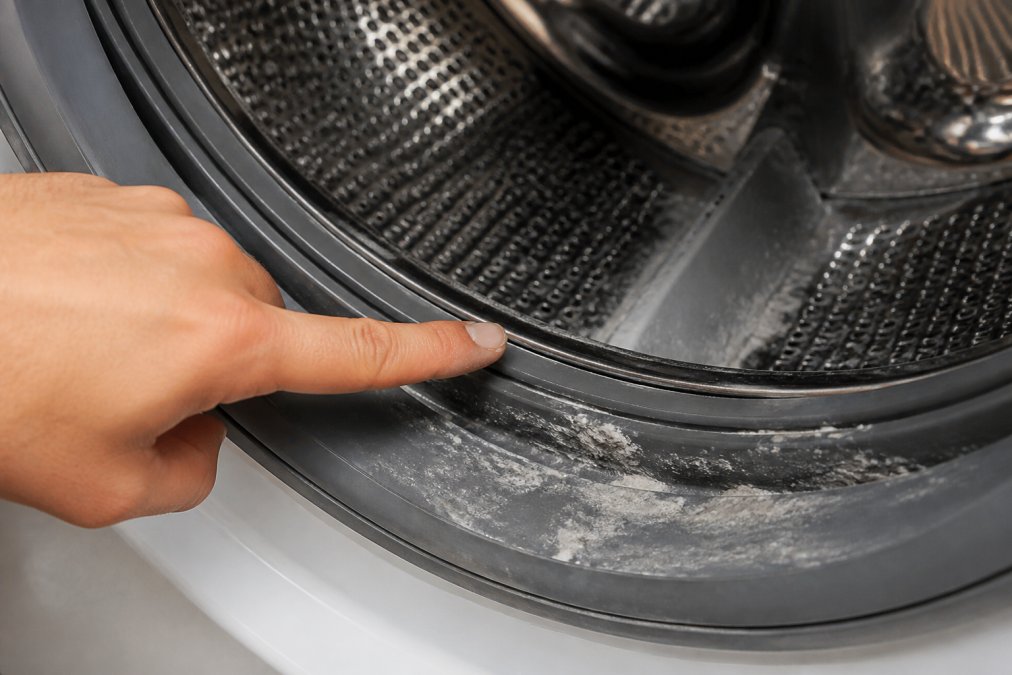
Open the rubber seal around your drum. Look behind it and in the drum ribs. You'll often find soap residue, lint, or pieces of a stuck pod.
Clean out anything you find. Use an old toothbrush or soft cloth. Rinse the seal thoroughly with warm water. This debris is a breeding ground for bad odours and bacteria.
Run an empty hot wash cycle with no clothes. This clears out any remaining residue inside the machine. Your drum will be clean and ready for normal washing.
If you find a stuck pod, this explains your residue problem. The pod wasn't dissolving in the water, it was dissolving slowly against your clothes and seals.
Step 3: Reduce Load Size and Improve Water Flow
Fill your drum only three-quarters full. Leave enough space for water to move freely around every item.
Separate heavy items (jeans, towels) from light items (t-shirts, underwear). Heavy fabrics need more water and agitation. Mixing them means some items get shortchanged.
Run a test wash with a smaller load. You'll notice the difference immediately. Clothes will be cleaner, and residue will be minimal or gone.
Small, frequent loads use more water overall than one large load, so do this only if residue is a persistent problem.
Step 4: Use a Pod Holder for Complete Dissolution
If steps 1-3 don't solve the problem, a pod holder is your answer. A reusable pod holder keeps the pod in the main wash water instead of letting it slip into seals or get buried under clothes.
Common Mistakes That Make Residue Worse
Most people make these errors without realising they're causing the problem.
Buying the cheapest pods.
Frequently Asked Questions
Why do my laundry pods leave a sticky film on clothes?
Sticky residue appears when pods don't dissolve completely, usually due to cold water temperatures below 20°C, overloaded machines with poor water circulation, or pods getting trapped under drum ribs or in door seals. Once a pod gets stuck, the outer casing dissolves but the concentrated detergent inside releases unevenly, coating fabrics. Using a reusable pod holder prevents pods from getting stuck and ensures full, even dissolution in every wash, even on cold cycles.
How do I get rid of detergent pod residue on my laundry?
For fresh residue, rinse the affected area under cool running water and rub gently with your fingers to break up the film. For set-in stains, soak the garment in white vinegar (one part vinegar to three parts water) for 30 minutes, then wash on a warm cycle. Always air-dry to check the stain is gone before tumble-drying, as heat can set residue permanently.
Can overloading the washing machine cause detergent residue?
Yes. Overloaded machines restrict water flow, preventing detergent from circulating properly and dissolving completely. Water cannot reach all fabrics evenly, leaving concentrated pockets of undissolved detergent. Signs of overloading include clothes not rinsing properly, damp residue on fabrics after the cycle, and a soapy smell. Fill your drum only three-quarters full to allow adequate water movement and ensure pods dissolve fully across all your laundry.
Do laundry pods dissolve better in hot or cold water?
Pods dissolve faster in hot water (above 40°C) because heat speeds up the outer casing breakdown. However, modern pods are formulated to dissolve in cold water too, though it takes longer. If you wash regularly in cold water below 20°C, dissolution may be incomplete, especially if your machine is overloaded or water circulation is poor. Using a reusable pod holder keeps pods in open water where they can dissolve fully, regardless of temperature.